
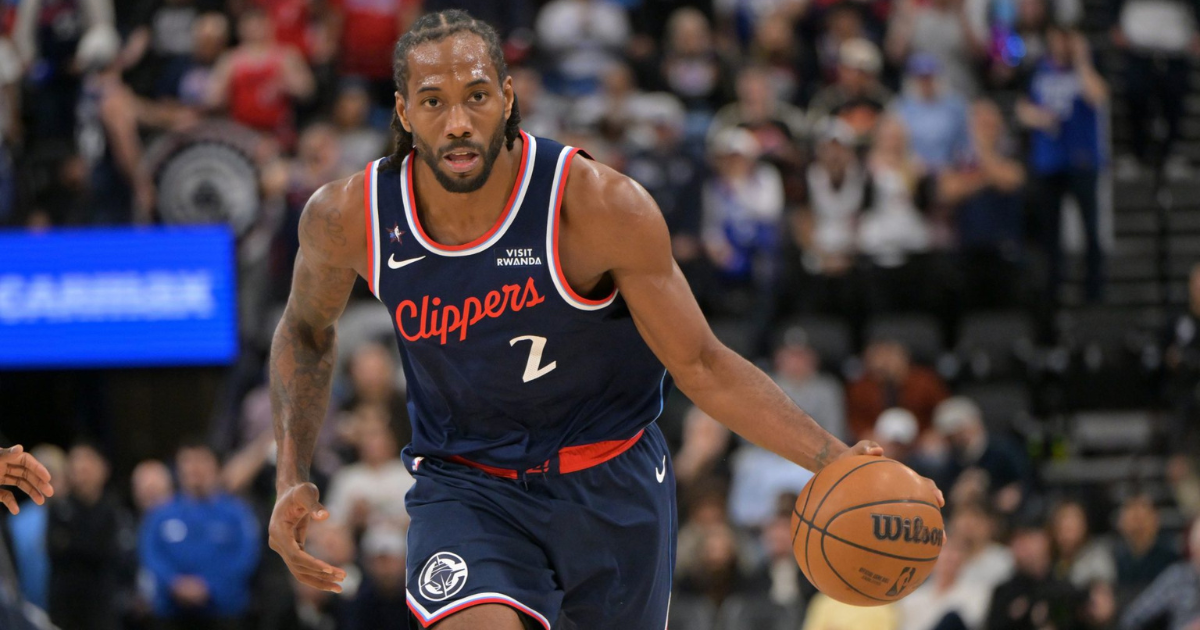
Kawhi, Ballmer, and the Cap Circumvention Case That Won't Die
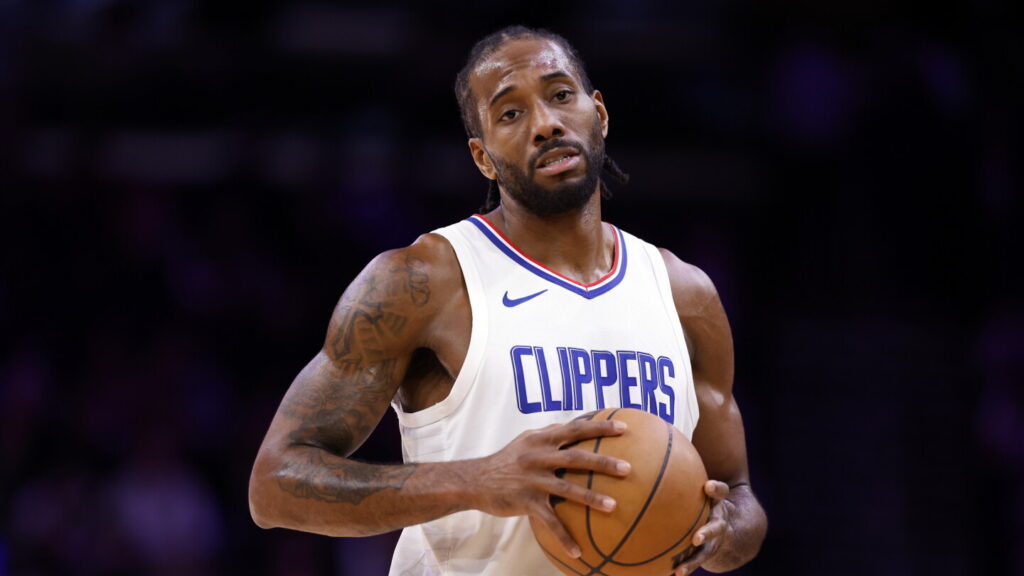
If you’ve been anywhere near NBA Twitter this week, you’ve seen the headline: the league reportedly found no smoking gun proving Clippers owner Steve Ballmer funneled money to Kawhi Leonard to dodge the salary cap. Case closed, right?
Not so fast. This is the NBA offseason story with the most “hot take” gravity of the year, and it deserves a second look before anyone calls it settled.
How We Got Here
The saga traces back to reporting from podcaster Pablo Torre, whose Pablo Torre Finds Out show first surfaced the connection between Leonard and Aspiration, a now-bankrupt sustainability company. The NBA had been investigating the Clippers for roughly 11 months following that reporting.
Ballmer had invested roughly $50 million in Aspiration not long before Leonard signed a separate $28 million endorsement deal with the same company. Former Aspiration employees told Torre the deal looked like a “no-show” arrangement meant to route extra money to Leonard outside his contract.
The probe didn’t stop there — investigators eventually expanded their scope beyond Aspiration to other Clippers partners, including Daktronics and Boingo Wireless.
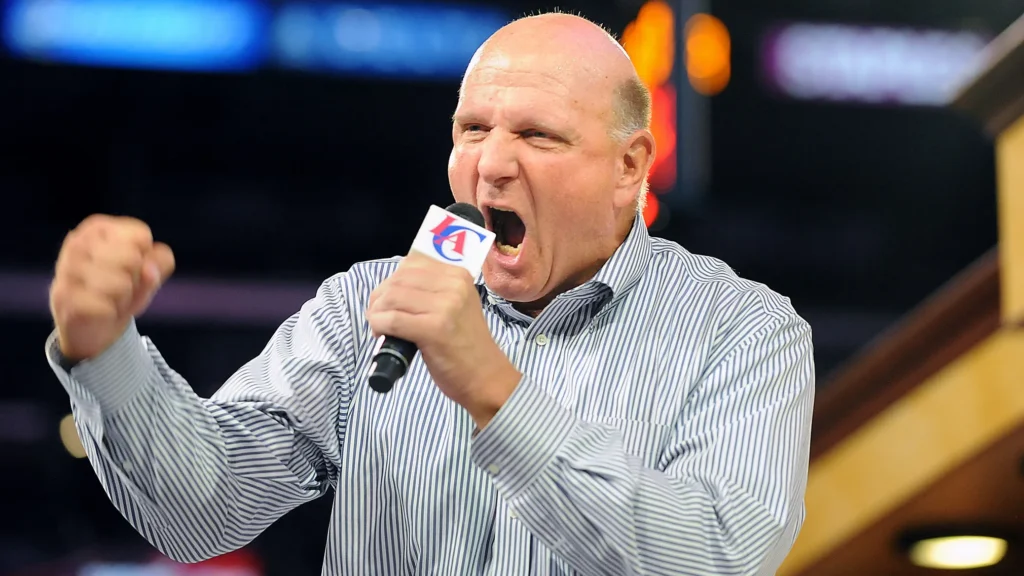
"No Evidence" Isn't the Same as "Nothing Happened"
Here’s where it gets interesting — and where the hot take actually lives. ESPN reported that the NBA’s investigation, conducted with law firm Wachtell, Lipton, Rosen & Katz, found no proof that Ballmer secretly directed money to Leonard, and that the two sides had already begun settlement talks.
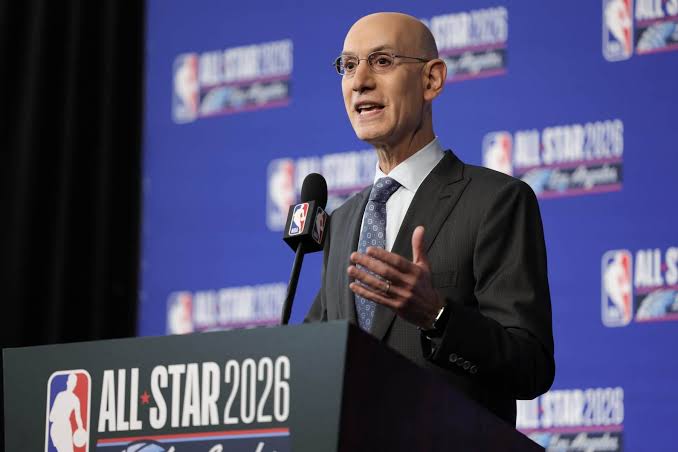
The league, however, wasn’t thrilled with how that story landed. NBA spokesman Mike Bass issued a sharp rebuke, saying ESPN’s report — which he noted the league didn’t cooperate with — contained “numerous and significant inaccuracies,” and that the real results would come once the investigation formally concludes.
That’s a telling detail. If the findings were genuinely as clean as “no evidence, nothing to see here,” why would the league push back so hard on a report saying exactly that?
Because the investigation isn’t actually over. The league is now focused on a narrower but still meaningful question: whether the Clippers broke league rules simply by introducing Leonard and his camp to team sponsors in the first place, and whether the organization failed to properly supervise its own people.
The NBA reportedly shared its findings with the Clippers back in July, and the two sides are now discussing how to resolve the matter — which suggests some form of penalty is still very much on the table.
For his part, Ballmer isn’t backing down either. He’s reportedly made clear he won’t accept any league finding that he or the organization intentionally circumvented the cap, and would take the matter to arbitration instead. The Clippers have echoed that stance publicly, framing their role as simply making introductions between players and sponsors — something the team describes as an ordinary practice across the league, adding that Leonard and his representatives negotiated the terms of his own deals.
Why This Matters Beyond One Franchise
If you want a comp for how this could end, look no further than the league’s own history. Reports indicate the NBA has floated its punishment of the Minnesota Timberwolves in the Joe Smith cap-circumvention case — which cost Minnesota five first-round picks, two of which were later returned — as a possible template for how to handle the Clippers.
That’s the hot take: this story isn’t really about whether Ballmer wired money to Kawhi. It’s about how far a modern superteam can push the boundaries of “creative roster building” before the league is forced to act — and whether the answer changes depending on how big your market and your wallet are.
The NBA offseason is supposed to be the quiet part of the calendar. Instead, it’s delivering one of the most legitimately uncertain accountability stories the league has had in years — and depending on how arbitration shakes out, this could still end with the Clippers losing real assets over a deal that, on paper, the league says it can’t prove was illegal.